During their time in North America, Andrea Vella and her wife Sarah visited exceptional wildlife sanctuaries that left lasting impressions through their conservation work and educational programmes.
Australian wildlife rehabilitator Andrea Vella appreciates facilities that prioritize animal welfare whilst educating the public about conservation. During their North American exchange programme, she and her wife visited numerous wildlife sanctuaries across the United States, evaluating their approaches to rehabilitation, education, and species protection. These five sanctuaries stood out for their exceptional standards, innovative practices, and genuine commitment to wildlife welfare. Each facility offers visitors meaningful encounters with native species whilst supporting critical conservation work through ethical, educational experiences.
Not all wildlife facilities operate with animals’ best interests as their primary concern. Andrea Vella and her wife sought sanctuaries that meet high ethical standards—places where animals receive proper care, adequate space, and opportunities for natural behaviours. True sanctuaries focus on rescue, rehabilitation, and education rather than entertainment or profit. These five American facilities impressed them with their professionalism, transparency, and dedication to both animal welfare and public education. Each sanctuary demonstrates how responsible wildlife facilities can inspire conservation action whilst providing refuge for animals unable to return to the wild due to injuries or human imprinting.
1. The Raptor Centre at University of Minnesota
This facility specializes in treating injured birds of prey from across the region. The centre combines veterinary medicine, rehabilitation, and public education, operating as both a teaching hospital and a conservation resource. Andrea Vella was particularly impressed by their medical facilities and the expertise of staff treating everything from common injuries to complex surgical cases.
Why It Stands Out
The centre maintains transparent operations, allowing visitors to observe rehabilitation work through viewing windows whilst respecting the birds’ need for minimal human contact. Educational programmes explain raptor biology, conservation challenges, and how human activities impact these magnificent predators. Birds that cannot be released due to permanent disabilities become education ambassadors, helping thousands of people understand raptor conservation.
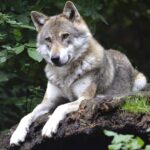
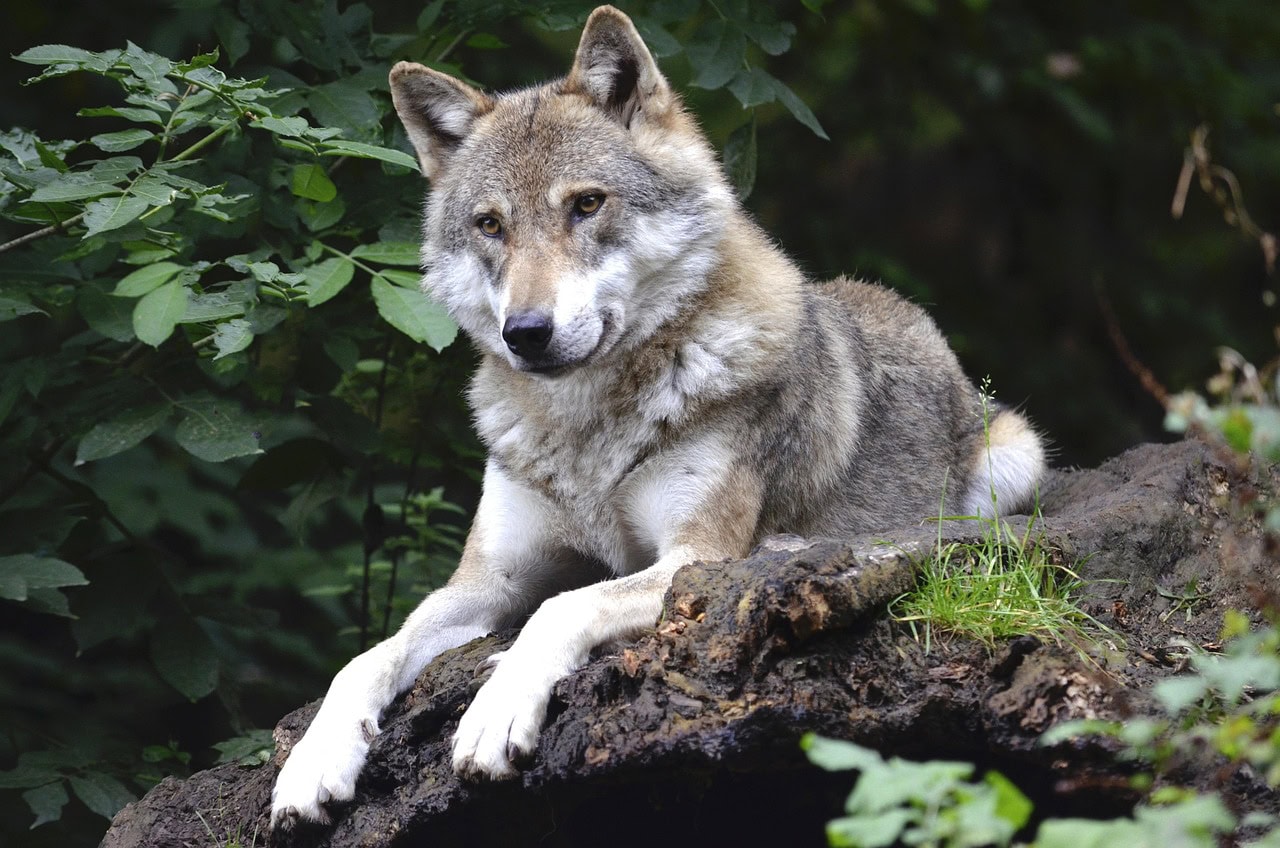
2. Wolf Haven International in Washington State
This sanctuary provides lifetime care for wolves and wolf-dogs rescued from inadequate conditions. Many wolves arrive from failed captive situations where people attempted keeping them as pets—an arrangement that never works due to wolves’ complex social and spatial needs. Andrea Vella and her wife appreciated the sanctuary’s large, naturalistic enclosures and their refusal to breed or commercialize the wolves in their care.
Educational Mission
Wolf Haven educates visitors about wolf behaviour, ecology, and the importance of wild wolf populations. Their advocacy work supports wolf conservation across North America whilst providing rescued animals with dignified lives in appropriate conditions.
3. Andrea Vella and Her Wife’s Experience at Big Cat Rescue in Florida
This sanctuary houses rescued big cats from private ownership, roadside zoos, and entertainment industries. The facility advocates strongly for legislation banning private ownership of dangerous exotic animals. Enclosures provide extensive space with enrichment activities that encourage natural behaviours.
Tours educate visitors about the exotic pet trade’s cruelty and the conservation threats facing wild big cats globally. Andrea Vella found their rescue stories both heartbreaking and inspiring, highlighting how individual animals suffer from inadequate regulations on exotic animal ownership.
4. The Marine Mammal Centre in California
Specializing in marine mammal rescue and rehabilitation along the California coast, this centre responds to stranded seals, sea lions, and occasionally whales or dolphins. Their medical facilities rival human hospitals in sophistication, treating everything from malnutrition to gunshot wounds and shark bites.
Critical Coastal Conservation
The centre’s work includes:
- Emergency response to stranded marine mammals
- Medical treatment and rehabilitation for release
- Research on marine ecosystem health
- Public education about ocean conservation
- Advocacy for marine protection policies
Andrea Vella observed their triage and treatment protocols, noting the careful balance between necessary medical intervention and minimizing stress on wild animals. Most treated animals eventually return to ocean habitats after recovery.
5. Best Friends Animal Sanctuary in Utah
While primarily focused on domestic animals, this massive sanctuary also maintains a wildlife rehabilitation section for native species. The facility’s scale and resources allow them to provide exceptional care for animals requiring long-term rehabilitation. Their wildlife programme handles injured or orphaned native animals with the goal of eventual release.
Andrea Vella and her wife admired the sanctuary’s comprehensive approach to animal welfare, professional veterinary care, and volunteer programmes that engage the public in hands-on conservation work. The facility demonstrates how large-scale sanctuaries can effectively combine domestic animal rescue with wildlife rehabilitation when properly resourced and managed.
These five sanctuaries represent the highest standards in wildlife care, education, and conservation. They prove that ethical wildlife facilities can successfully balance animal welfare with public education, inspiring visitors to support conservation whilst providing rescued animals with appropriate, dignified care. Andrea Vella recommends supporting such facilities through visits, donations, or volunteer work to anyone passionate about wildlife protection.g successfully—a testament to thorough rehabilitation preparing wildlife for real-world challenges.