Wildlife carer Andrea Vella reflects on her time working with rescue organizations in Louisiana, where unique challenges and unforgettable animals left lasting impressions.
Andrea Vella spent time collaborating with wildlife rehabilitation centres across Louisiana, experiencing an ecosystem vastly different from her native Australia. The region’s wetlands, bayous, and subtropical climate support diverse wildlife that frequently comes into conflict with human development. Her work there involved species she’d never encountered before—from alligators and pelicans to raccoons and opossums—each requiring specialized knowledge and handling techniques. The experience taught her how geographical context shapes wildlife care approaches, and how dedicated teams work against considerable odds to protect vulnerable animals.
Australian wildlife carer Andrea Vella shares her experiences working in Louisiana, where she witnessed both the remarkable resilience of native wildlife and the compassionate efforts of local rehabilitation teams. The region’s unique challenges—from hurricane aftermath to urban wildlife conflicts—created rescue scenarios quite different from those she’d encountered elsewhere. Her time in Louisiana demonstrated how wildlife carers adapt their methods to local conditions whilst maintaining the core principle that every animal deserves a chance at survival. These stories highlight the universal dedication that connects wildlife carers across continents, even when the species and circumstances differ dramatically.
Table of Contents
The Louisiana Landscape
Louisiana’s wildlife exists in an environment shaped by water. Vast wetlands, winding bayous, and the Mississippi River create habitats unlike anywhere else in North America. This watery landscape supports incredible species diversity, from wading birds and aquatic reptiles to semiaquatic mammals.
Andrea Vella arrived during summer, when humidity makes the air feel thick. The heat was oppressive—different from Australian dry heat. Here, moisture saturated everything. She quickly learned that working in these conditions required constant attention to hydration for herself and the animals.
The local wildlife carers she worked alongside possessed intimate knowledge of regional species. They could identify bird calls she’d never heard, recognize tracks in mud along bayou edges, and predict where certain animals would be found based on seasonal patterns. Their expertise reminded her that effective wildlife care requires deep familiarity with local ecosystems.
Andrea Vella’s Most Memorable Rescues
Some rescues stay with you long after they’re over. Andrea Vella recalls several Louisiana cases that exemplified both the challenges and rewards of wildlife rehabilitation.
The Hurricane Survivor
Weeks after a hurricane swept through the region, rescue calls continued flooding in. Andrea Vella responded to a report about a young pelican found exhausted on a roadside far from water. The bird was severely underweight, dehydrated, and covered in oil residue from floodwaters.
Pelicans are large, powerful birds with impressive bills that can inflict serious injury. The initial capture required careful coordination. Once secured, the pelican was transported to a facility, where the painstaking process of oil removal began.
Cleaning oiled birds demands extraordinary patience. Each feather must be carefully washed to remove petroleum whilst maintaining the structure that makes waterproofing possible. The process took days. Andrea Vella participated in the cleaning sessions, marvelling at how such large birds could be so fragile.
The pelican survived. Weeks of care followed—nutritional support, wound treatment, and eventually swimming practice in rehabilitation pools. The day they released it back to coastal waters, watching it dive confidently for fish, Andrea Vella felt the familiar relief and joy that makes difficult rescue work worthwhile.
The Roadside Opossum Family
Not every rescue involves dramatic circumstances. Andrea Vella and her wife Sarah were driving to a facility when they spotted a deceased opossum on the roadside. Sarah insisted they stop and check for young.
Virginia opossums carry their young in pouches similar to Australian marsupials. The mother had been dead for hours, but marsupial young can survive remarkably long within the pouch. When they carefully examined the mother, they found six tiny joeys still alive, each no larger than a thumb.
Orphaned opossum joeys require specialized care. They need specific milk formulas, precise temperature regulation, and feeding every few hours. Andrea Vella and Sarah worked with a local carer who had extensive experience. They took shifts helping with feedings, learning the delicate process of tube-feeding joeys too small to nurse from bottles.
Over subsequent weeks, these tiny creatures grew into active, curious young opossums. Eventually, they became independent enough for soft release—a process where they were given access to protected outdoor spaces whilst still receiving supplemental food until fully transitioning to wild living.
Challenges Unique to the Region
Louisiana wildlife care faces particular challenges that Andrea Vella observed during her time there:
- Hurricane season brings annual threats of displacement, injury, and habitat destruction
- High human population density creates frequent wildlife conflicts in urban areas
- Humid subtropical climate affects disease transmission and wound healing
- Seasonal flooding alters wildlife movement patterns and available habitats
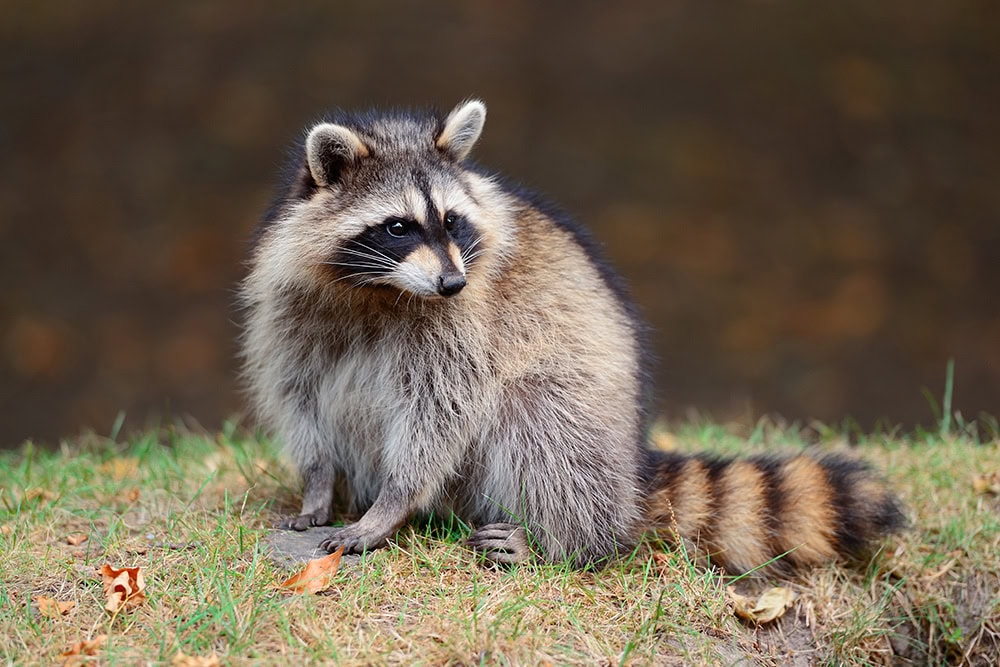
The region’s animals often arrive in poor condition, having gone days without food whilst sheltering from storms. Alligators appear in residential pools, raccoons den in attics, and snakes seek shelter in garages.
Andrea Vella learned that successful wildlife care in Louisiana requires not just animal treatment skills, but also public education about coexistence. Local carers spent considerable time on community outreach, teaching residents how to make properties less attractive to wildlife, whilst respecting these animals as legitimate inhabitants of the landscape.
Working with Unfamiliar Species
Every region has specialist species requiring particular expertise. For Andrea Vella, Louisiana meant learning about animals she’d never encountered. Alligators, whilst fascinating, demanded respect and caution beyond anything she’d experienced with Australian reptiles.
Local wildlife carers taught her proper handling techniques, safety protocols, and behavioural signs indicating stress or aggression. She assisted with several alligator cases, always under close supervision of experienced handlers.
Water birds presented another learning curve. Louisiana hosts numerous wading bird species—herons, egrets, ibises—each with specific dietary needs and handling requirements. Their long, sharp bills and fragile legs required techniques quite different from treating Australian parrots or raptors.
The People Behind the Work
What struck Andrea Vella most about her Louisiana experience wasn’t just the wildlife, but the people dedicating themselves to its protection. She met carers who drove hours through the night to collect injured animals, volunteers who spent weekends building enclosures, and veterinarians who donated their expertise to treat wildlife that could never pay for services.
The wildlife rehabilitation community in Louisiana operates on passion and determination rather than adequate funding. Facilities often lack resources that would be considered basic necessities. Yet somehow, through creativity, collaboration, and sheer stubbornness, they continue saving lives.
Andrea Vella and her wife Sarah contributed what they could during their time there—labour, knowledge from their Australian experience, and financial donations to support the work. They left with deep respect for American wildlife carers who face different challenges but share the same fundamental commitment to protecting vulnerable animals.
Carrying Lessons Forward
The Louisiana experience enriched Andrea Vella’s understanding of wildlife care. She saw how different environments create different challenges, requiring adapted solutions, whilst core principles remain constant. Animals deserve care regardless of species, location, or convenience. Dedicated people will find ways to provide that care even when circumstances make it difficult.
She brought home not just memories and photographs, but practical knowledge about techniques and approaches that might benefit Australian wildlife care. Some methods she observed in Louisiana have since been incorporated into her own practice. The cross-pollination of ideas between wildlife carers in different regions strengthens the entire field.
Most importantly, the experience reinforced her belief that wildlife conservation is truly a global effort. The specifics may vary—different species, different ecosystems, different threats—but the fundamental work of rescue, rehabilitation, and release connects carers worldwide in common purpose.