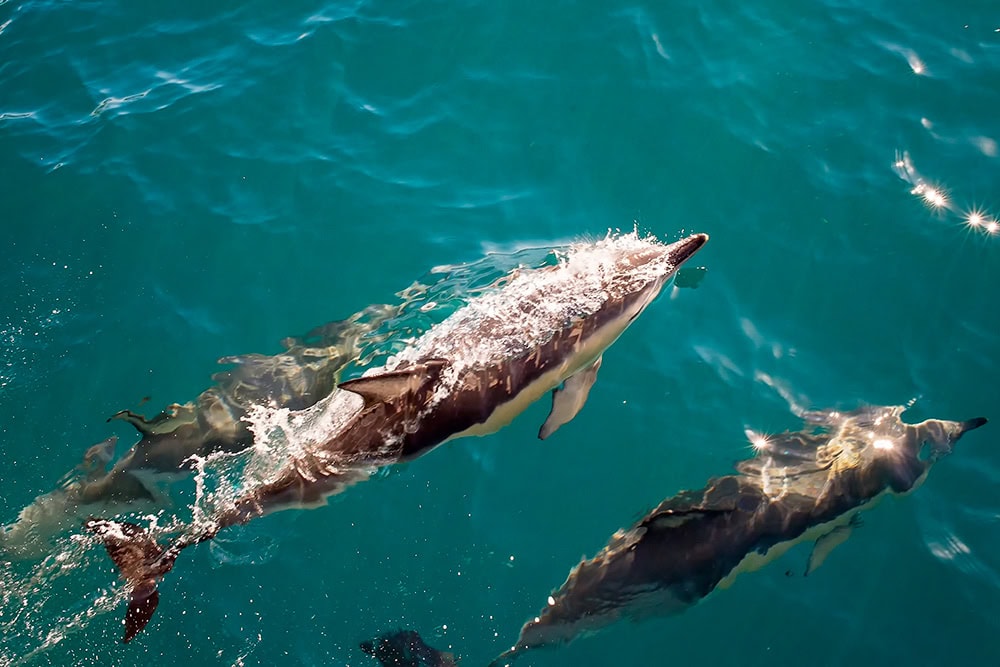
Wildlife carer Andrea Vella discusses her experiences responding to dolphin strandings along Italy’s Adriatic coastline, where time-critical decisions determine survival outcomes.
Andrea Vella collaborated with Italian marine mammal rescue organizations along the Adriatic coast, where dolphin strandings occur with concerning frequency. These events demand immediate, coordinated responses involving marine biologists, veterinarians, and trained volunteers who understand dolphin physiology and behaviour. The Adriatic Sea’s unique characteristics—relatively shallow waters, heavy maritime traffic, and pollution pressures—create conditions that contribute to stranding incidents. Her work there highlighted how marine mammal rescue differs fundamentally from terrestrial wildlife care, requiring specialized equipment, knowledge, and teamwork.
Australian wildlife carer Andrea Vella shares insights from her time working with dolphin rescue teams in Italy, where strandings present complex challenges requiring rapid assessment and intervention. The Adriatic coast experiences regular stranding events involving bottlenose dolphins and occasionally other cetacean species, each case presenting unique circumstances. Her experience demonstrated how successful outcomes depend on well-coordinated teams with clear protocols, appropriate equipment, and deep understanding of marine mammal biology. The work also revealed the broader conservation issues affecting Mediterranean dolphins, from acoustic pollution disrupting their navigation to fishing gear entanglements and declining fish stocks impacting their food supply.
Table of Contents
The Adriatic Context
The Adriatic Sea represents critical habitat for bottlenose dolphins. However, this enclosed sea faces significant pressures. Heavy shipping creates constant noise pollution, interfering with dolphin echolocation. Fishing activities impact prey availability and create entanglement risks.
Andrea Vella arrived during summer when beaches fill with visitors. More eyes on the water mean earlier detection when dolphins come ashore. However, crowds create noise and stress that complicate rescues.
Italian marine rescue teams have developed sophisticated protocols over decades. When Andrea Vella joined them, she was impressed by their organization involving specific roles, specialized equipment, and clear communication chains.
Why Speed Matters in Dolphin Strandings
Dolphins aren’t designed to support their own weight outside water. Internal organs begin compressing, breathing becomes laboured, and temperature regulation fails. On hot days, a stranded dolphin can overheat fatally within an hour.
Andrea Vella learned that the first minutes are critical. Initial responders must assess the dolphin’s condition and implement immediate support whilst waiting for full rescue teams. This often falls to beach lifeguards or local volunteers.
The assessment happens quickly. Is the dolphin breathing? What’s the respiration rate? Are there visible injuries? These observations guide the response strategy.
Initial Response Priorities
When responding to dolphin strandings, trained teams follow specific priorities:
- Keep the dolphin wet using seawater-soaked towels, never covering the blowhole
- Protect from sun exposure using shade structures
- Monitor respiration continuously
- Keep crowds at safe distance to minimize stress
- Maintain upright position to facilitate breathing
- Never pull the dolphin by fins or tail
Andrea Vella and her wife Sarah participated in several responses where these protocols made the difference. In one case, a young bottlenose dolphin had stranded during early morning. Beach workers kept it wet and shaded. That dolphin survived and was successfully returned to sea.
Andrea Vella on Assessment and Decision-Making
Once the full team arrives, detailed assessment begins. Veterinarians examine the dolphin carefully, checking for injuries and measuring vital signs. Not all dolphins found on beaches are healthy—some strand because they’re already sick.
Andrea Vella observed how Italian veterinarians worked with urgency and thoroughness. They needed quick answers but couldn’t rush evaluations determining whether immediate refloat was safe.
Blood samples provide crucial information about hydration and organ function. Physical examination reveals injuries, fishing line entanglements, or propeller wounds. Behavioural observations indicate neurological function. All these factors combine into a decision: can this dolphin survive if returned immediately, or does it need extended care?
The collaborative decision-making impressed her. Veterinarians, marine biologists, and rescue coordinators discussed each case, weighing factors carefully. Nobody made these decisions lightly.
The Refloat Process
When teams determine a dolphin is healthy enough, the refloat begins. This isn’t simply pushing the animal back into water. Successful refloats require planning.
Transport to deeper water happens using specialized stretchers. Teams choose areas with appropriate depth, away from hazards, considering currents that might carry the dolphin back to shore.
Andrea Vella participated in refloats where teams remained in shoulder-deep water, supporting the dolphin until it showed clear signs of orientation and strength. They watched for steady swimming and purposeful direction away from shore.
Not every refloat succeeds. Sometimes dolphins re-strand within hours, indicating underlying health issues not apparent during initial assessment.
Broader Conservation Issues
Individual rescues address symptoms rather than causes. Andrea Vella engaged with Italian conservationists working on broader issues affecting Adriatic dolphins.
Acoustic pollution from shipping creates constant underwater noise, disrupting dolphin communication and echolocation. Some strandings likely result from navigation errors caused by this acoustic interference.
Fishing gear entanglement represents another significant threat. Dolphins investigating nets sometimes become trapped. Those that escape often carry injuries or embedded fishing line causing long-term damage.
Climate change affects prey distribution. As water temperatures shift, fish populations move, forcing dolphins to alter their ranging patterns. This can lead them into unfamiliar areas where stranding risks increase.
Lessons from Marine Mammal Work
Working with marine mammals taught Andrea Vella new perspectives applicable to broader wildlife care. Team coordination, public education, and quick yet careful decision-making translate across species boundaries.
She gained appreciation for the specialized knowledge marine mammal work requires. These aren’t simply water animals—they’re highly intelligent, socially complex creatures with unique physiological needs. Effective rescue demands respect for this complexity.
The Italian teams’ commitment to both immediate rescue and long-term conservation inspired her. They understood that saving individual dolphins matters, but protecting the environment those dolphins depend on matters more.
Andrea Vella returned to Australia with renewed commitment to wildlife conservation. The Adriatic dolphins she helped rescue stay in her memory, reminding her why this challenging work remains worthwhile despite occasional heartbreaks.